The Seed Colony: Why the First Lunar City Will Be Grown, Not Built
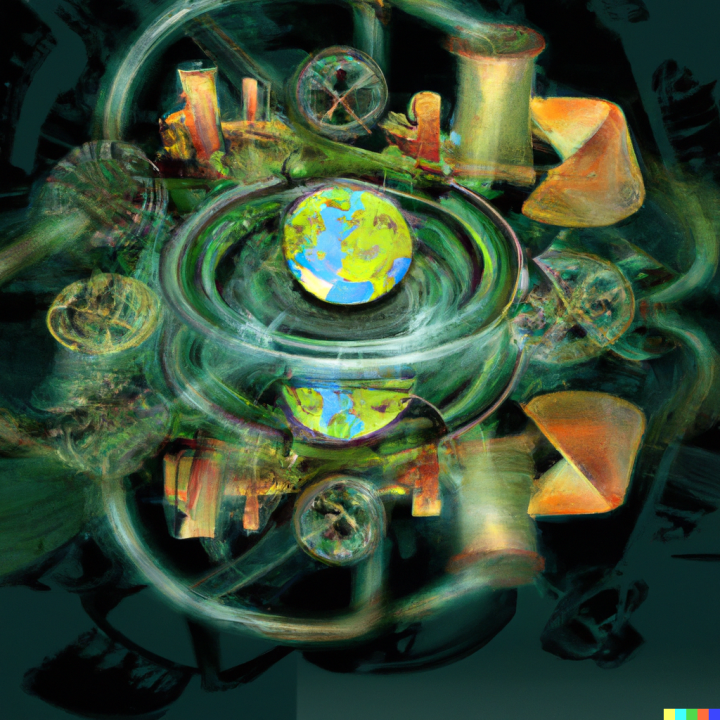
The greatest barrier to lunar colonization isn't politics or propulsion — it's mass. At $25,000–$50,000 per kilogram to reach the Moon, you cannot ship a city. You have to grow one. This piece explores a radical rethink of lunar construction: turning mission waste into structural material. Urea becomes a plasticizer for 3D-printed regolith concrete. Inedible biomass feeds mycelia that grow into fire-resistant habitat walls. Composted organic matter transforms sterile Moon dust into protosoil. Each harvest produces the feedstock for the next greenhouse, compounding exponentially. It's not science fiction — it's biomimicry applied to orbital logistics. The future of the lunar city is circular by design, and it starts with treating waste as an architectural resource.